
The Canadian Platinum Maple Leaf is a 1 oz, .9995 fine platinum bullion coin minted by the Royal Canadian Mint, with a $50 CAD face value and the same maple leaf reverse used across Canada's entire bullion coin lineup. It's one of the longest-running platinum coins on the market, first struck in 1988, though it has a gap in its production history that most listings skip over. If you're comparing it to other platinum coins, the short version is: it's a well-established, widely recognized choice, but not the only platinum coin worth knowing about.
This guide covers the coin's specs, its production history, its security features, and how it stacks up against other platinum coins we carry. If you're ready to buy, our Platinum Maple Leaf Coin is priced off live spot.
Specs: Weight, Purity, Diameter and Design
| Spec | Detail |
|---|---|
| Metal content | 1 troy oz (about 31.1 g) |
| Fineness | .9995 platinum |
| Diameter | 30 mm |
| Edge | Serrated |
| Face value | $50 CAD (legal tender in Canada) |
| Obverse | Queen Elizabeth II (coins through 2023); King Charles III (2024 onward) |
| Reverse | Single maple leaf, unchanged since 1988 |
| Issuer | Royal Canadian Mint |
These specifications come from the Royal Canadian Mint, which has produced the coin since 1988 and guarantees its weight and purity as legal tender of Canada.
A Coin With a Gap in Its History
Unlike the Gold and Silver Maple Leaf, the Platinum Maple Leaf wasn't minted continuously. From 1988 through 2002, it was issued in five different denominations and fractional sizes, but rising platinum prices made the smaller fractional coins impractical to produce profitably, and the Mint paused the series after 2002. It didn't return until 2009, and when it did, only in the single 1 oz size — which is why every Platinum Maple Leaf you'll find in typical bullion inventory today is a full ounce rather than a fraction. That gap is worth knowing if you ever come across an older fractional Platinum Maple Leaf on the secondary market: it's a genuinely different, discontinued product from the coin sold today, not just an older date on the same coin.
Security Features to Look For
Like the rest of the Maple Leaf series, the platinum version carries radial line patterning on the reverse and a micro-engraved security privy mark meant to make counterfeiting more difficult to replicate convincingly. These features sit alongside the coin's weight and purity guarantee from the Royal Canadian Mint, so an authentic coin should match both the visual security features and the metal content stated on the coin itself.
How It Compares to Other Platinum Coins
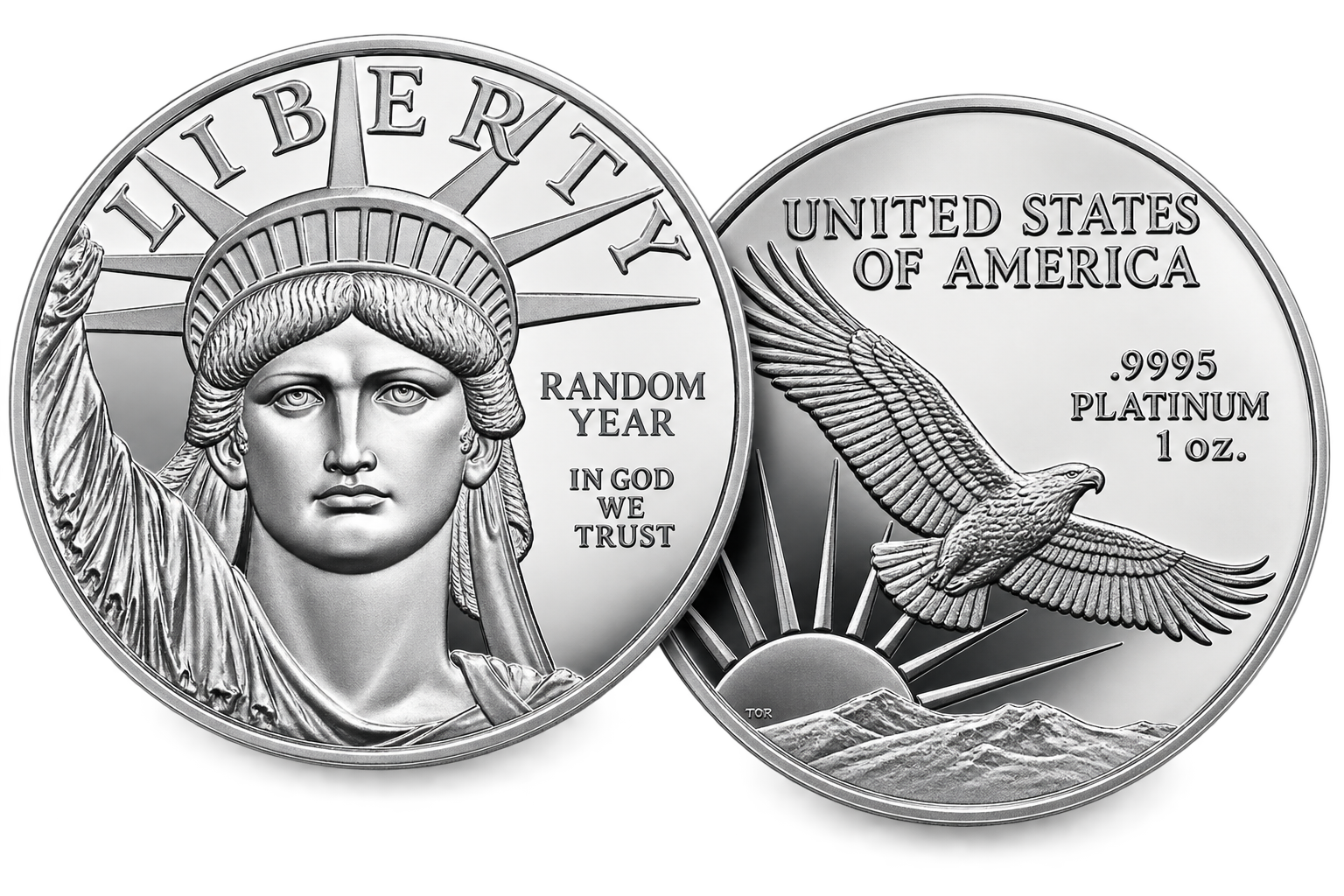
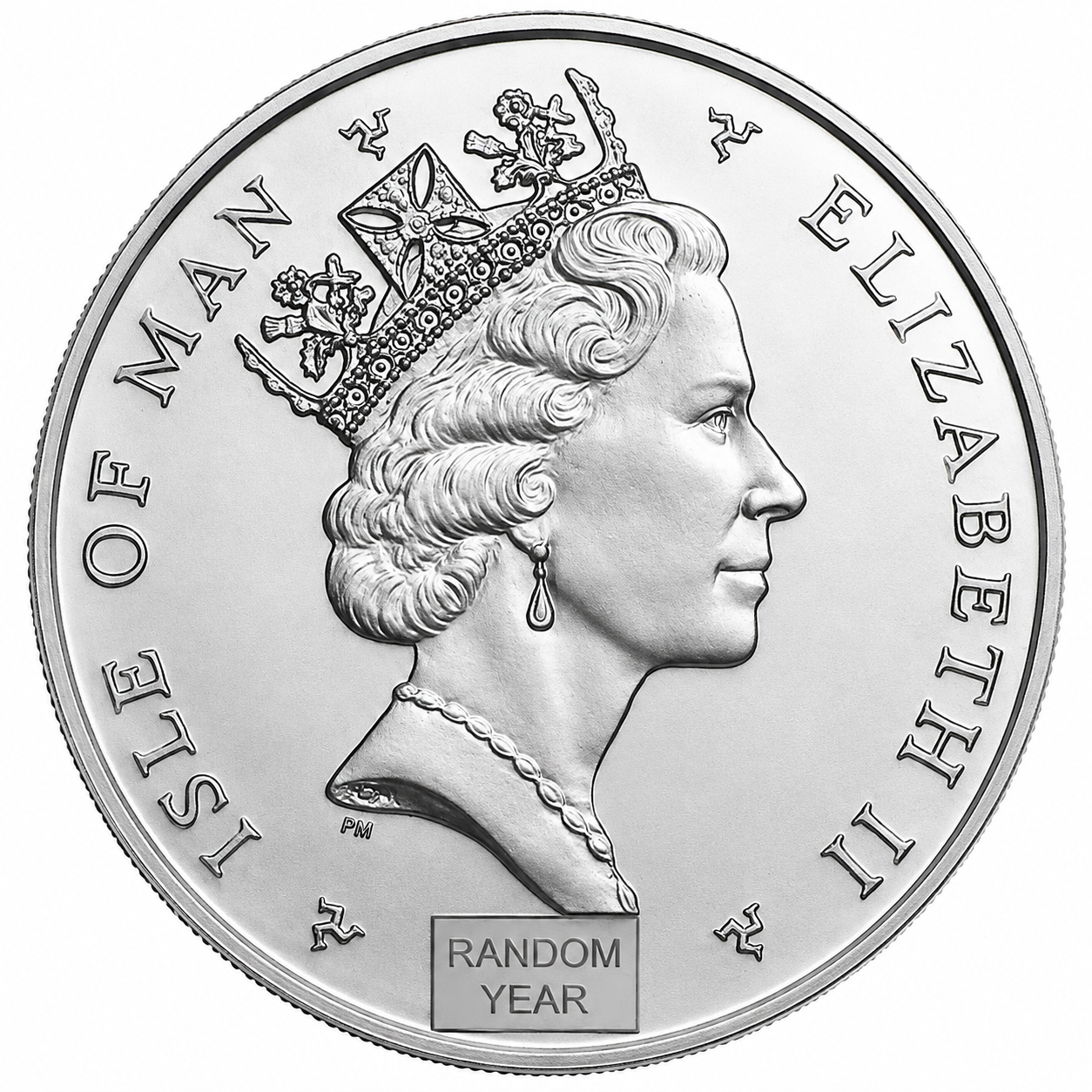
The Platinum Maple Leaf isn't the only option if you want a sovereign-minted platinum coin. An American Platinum Eagle coin is the equivalent from the U.S. Mint and is at least as widely recognized in the US market. An Isle of Man Platinum Noble and an Australian Platinum Platypus Coin are less common on dealer shelves but carry the same .9995 fineness — consistent with London Platinum and Palladium Market Good Delivery standards — and government backing, generally at a similar premium. In practice, the choice between them comes down to recognizability where you're likely to sell and personal preference on design, since none of the major sovereign platinum coins meaningfully outperforms the others on purity or liquidity.
Best Use Case
The Platinum Maple Leaf suits a buyer who wants a well-established, government-backed platinum coin with a long track record, rather than the newest or least common option available. Its steady annual mintage since 2009 makes it straightforward for most dealers to recognize and price without hesitation, which matters more for resale than any small difference in design or country of origin. If you want to browse more broadly, our platinum selection covers every coin and bar size we carry.
Frequently asked questions
When was the Platinum Maple Leaf first minted?
The Royal Canadian Mint first struck the Platinum Maple Leaf in 1988, the same year the coin's design debuted. Production ran through 2002 in several sizes, paused, and resumed in 2009 in the 1 oz size only, which is the version sold today.
What is the fineness of the Platinum Maple Leaf?
Every Platinum Maple Leaf is .9995 fine platinum, meaning 99.95% pure. That's the same minimum fineness required for institutional platinum bars under London Platinum and Palladium Market Good Delivery rules, so the coin meets a well-established international purity benchmark rather than a standard specific to Canada.
Does the older fractional Platinum Maple Leaf still exist?
Fractional Platinum Maple Leafs were produced from 1988 to 2002 before the series paused. They're no longer minted, so any you find today are older, discontinued pieces rather than the current 1 oz coin, and they may carry a collector premium beyond melt value.
Whose portrait is on the coin now?
Coins minted through 2023 feature Queen Elizabeth II on the obverse. Coins minted from 2024 onward feature King Charles III instead. Both versions contain the same 1 oz of .9995 fine platinum and carry the same $50 CAD face value.
Is the Platinum Maple Leaf better than the Platinum Eagle?
Neither is objectively better — both are sovereign-minted, .9995 fine, 1 oz platinum coins with strong recognition. The right choice usually comes down to where you're likely to resell and personal preference on design rather than any real difference in quality.
Where to go from here
If you're comparing options, our platinum coins category shows every coin we carry side by side. If you're still weighing metals more broadly, our guide on why platinum trades for less than gold per ounce and our look at whether a 10 oz platinum bar is worth it for a big purchase cover the bigger picture.
This article is for general information only and is not financial, tax or legal advice. Precious metals prices fluctuate and past performance does not guarantee future results. Consult a licensed financial or tax professional about your own situation.