
A 10 oz platinum bar makes sense if your main goal is the lowest possible premium per ounce and you're comfortable holding that purchase as one indivisible unit. It's a weaker fit if you think you might want to sell off part of your platinum later, since you can't split a single bar the way you can sell individual coins or smaller bars one at a time. The right answer depends less on the metal itself and more on how you expect to use or eventually sell it.
This guide covers what a 10 oz platinum bar actually is, who it suits, how it compares to smaller bars and coins, and what to check when it arrives. If you've already decided a single large bar is right for you, our 10 Oz Platinum Bar is .9995 fine and priced off live spot.
What a 10 Oz Platinum Bar Actually Is
A 10 oz platinum bar is a single cast or minted bar containing 10 troy ounces of .9995 fine platinum — the same minimum fineness required for institutional bars under the London Platinum and Palladium Market's Good Delivery Rules, even though a retail 10 oz bar is well below the 1 to 6 kilogram range those institutional rules actually cover. In practice, that means a 10 oz bar meets the same purity bar the professional market uses, just packaged in a size a retail buyer can actually hold. Larger bars like this are typically cast rather than precision-minted, so expect a plain, functional look rather than the finished detail of a smaller minted bar or coin — the purity guarantee is identical either way. Platinum is also notably denser than gold, at roughly 21.4 grams per cubic centimeter versus gold's 19.3, so a 10 oz platinum bar is close in physical size to a 10 oz gold bar and noticeably smaller than 10 oz of silver.
Who a 10 Oz Platinum Bar Suits
This size suits buyers who already know they want a meaningful amount of platinum, would rather pay one lower premium than several smaller ones, and don't need the flexibility to peel off a piece for a quick sale. It also suits someone consolidating several smaller platinum purchases into one holding to simplify storage. It's a less natural fit for someone testing the waters with platinum for the first time, or anyone who values being able to sell in small increments as circumstances change. If you want that flexibility, a stack of 1 oz platinum bar purchases or platinum coins gets you to the same total weight while staying divisible.
A Worked Example: Premium Per Ounce at Different Sizes
Here's the mechanic using clearly illustrative numbers, not live prices — check the current premium on each product page before you buy. Smaller bars and coins cost more per ounce to fabricate, so the premium over spot tends to shrink as bar size grows. If a 1 oz platinum bar carried an illustrative 5% premium over spot, buying ten of them would mean paying that 5% ten separate times. If a single 10 oz bar carried an illustrative 2% premium instead, the same total ounces would cost noticeably less overall — the saving comes from spreading one fabrication cost over ten times the metal, not from any difference in purity. That gap is the real trade-off: lower total cost against losing the ability to sell one ounce at a time.
How to Compare: Premium, Size, and Liquidity
| Factor | 10 oz platinum bar | Ten 1 oz platinum bars | Platinum coins |
|---|---|---|---|
| Premium per ounce | Lowest of the three | Higher than a 10 oz bar | Typically highest, reflects minting cost |
| Divisibility | None — single unit | Fully divisible | Fully divisible |
| Storage footprint | Smallest, one piece | Slightly larger, ten pieces | Similar to bars, ten pieces |
| Best for | Lowest cost per ounce on a large purchase | Balancing cost and flexibility | Recognizability and easy resale in small amounts |
Liquidity is worth thinking through separately from premium. Platinum overall is a much smaller market than gold — the World Platinum Investment Council forecasts total bar and coin investment demand of roughly 718,000 ounces worldwide for 2026, a fraction of gold's investment demand — so fewer dealers actively trade large platinum bars day to day compared with gold. That doesn't make a 10 oz bar hard to sell, but it does mean it's worth confirming a buyer for a bar that size before you commit to one over several smaller pieces.
What to Check When Your Bar Arrives
- Confirm the bar arrives in sealed, tamper-evident assay packaging with a visible serial number
- Weigh the bar yourself on a scale accurate to at least 0.1 gram if you have one
- Match the serial number on the bar or assay card to your invoice
- Store it somewhere the packaging won't get damaged — a damaged assay card can affect resale later
- Photograph the sealed bar and packaging for your own records before storing it long-term
Where It Fits vs. Alternatives
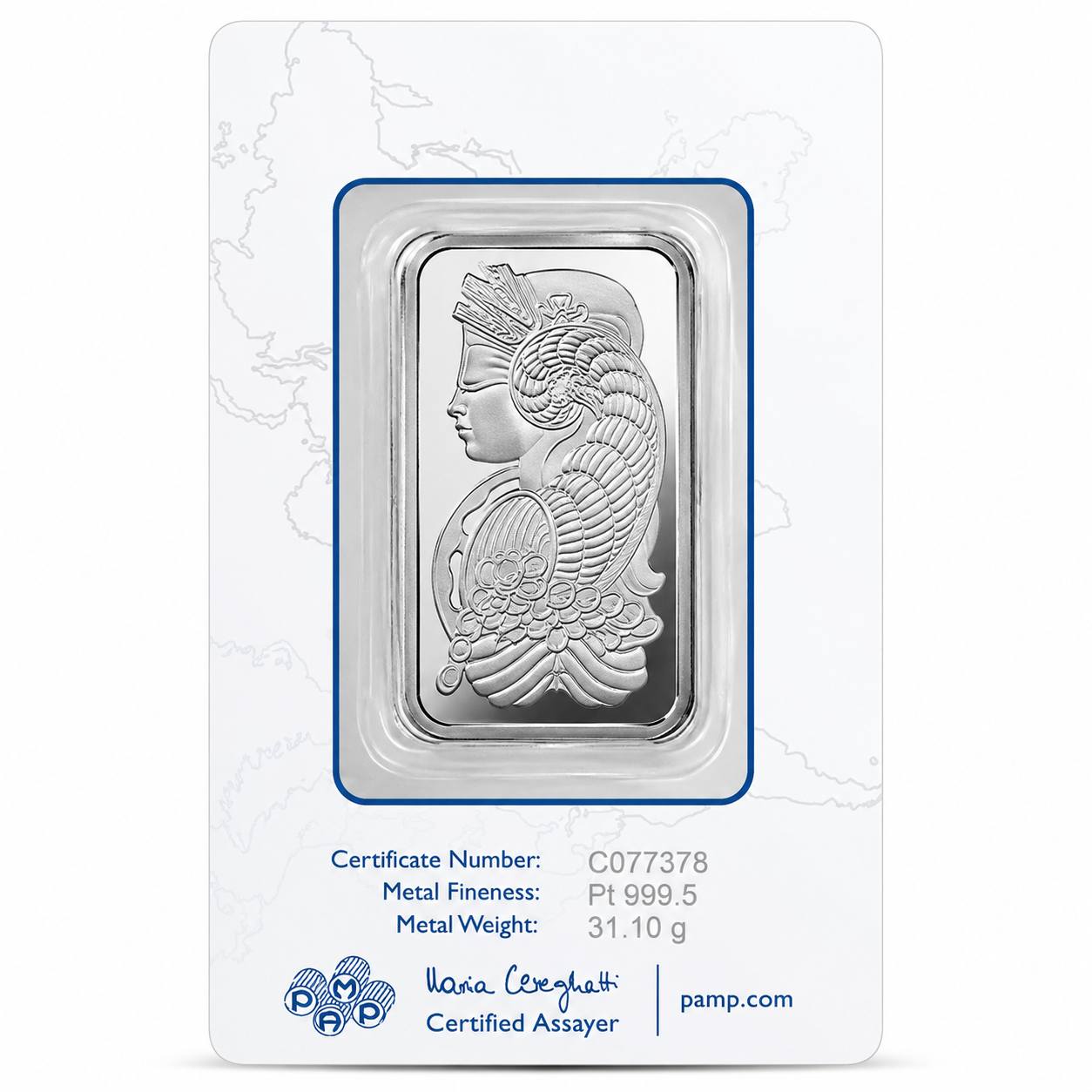
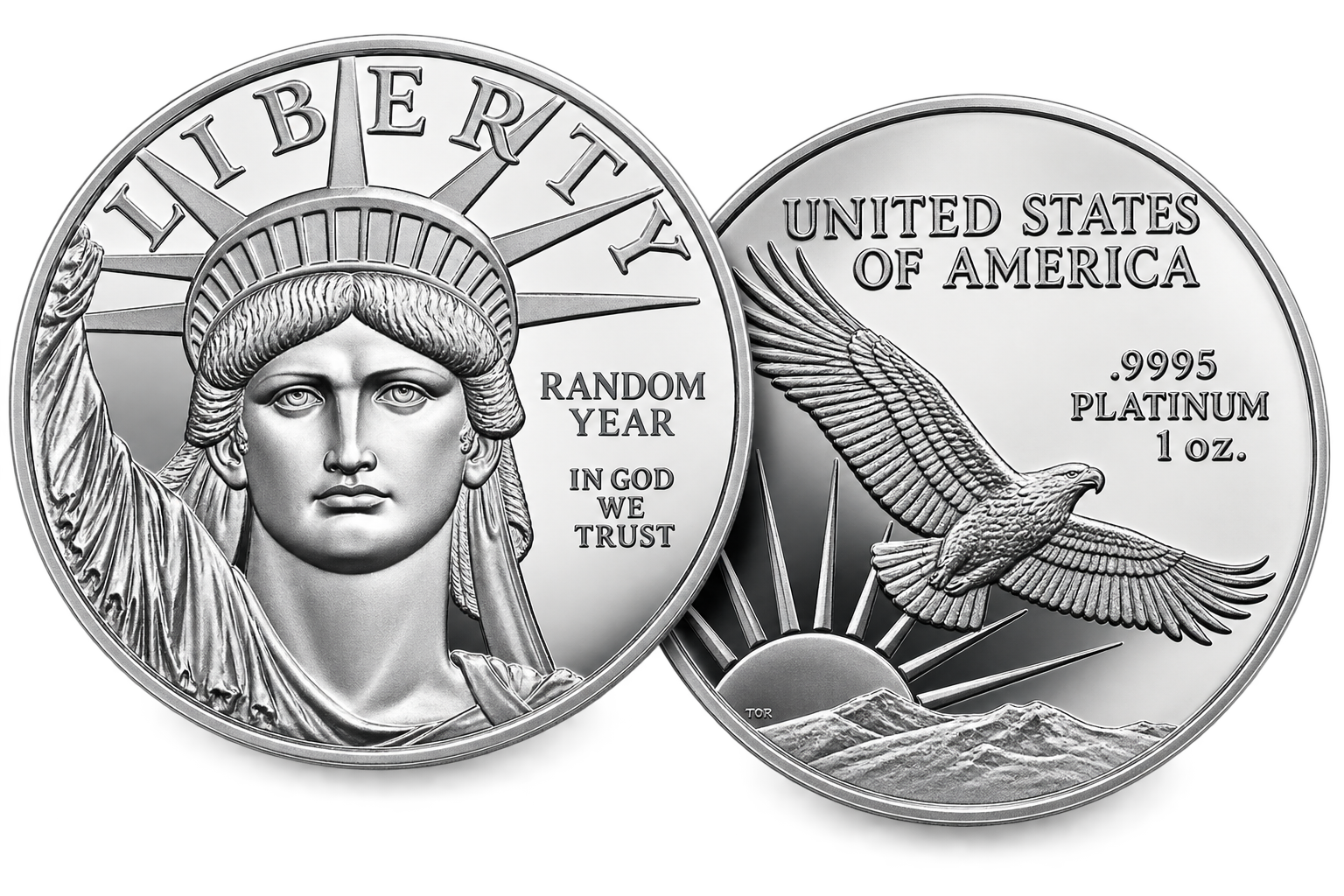
A 10 oz bar isn't the only way to hold a meaningful amount of platinum. A branded bar like a PAMP Suisse Lady Fortuna 1 oz platinum bar costs more per ounce but is easier to sell in smaller pieces and carries brand recognition a generic bar doesn't. An American Platinum Eagle coin is more recognizable still and trades easily in single-ounce amounts, though at a higher premium than a large bar. And if you're weighing platinum against gold entirely, it helps to understand why platinum trades for less than gold per ounce in the first place — the two metals behave differently enough that the choice isn't just about premium.
Frequently asked questions
Is a 10 oz platinum bar a good investment?
That depends on your goals, not a fixed answer. A 10 oz bar offers a lower premium per ounce than smaller bars or coins, but it's a single indivisible unit. This isn't financial advice — weigh liquidity and storage alongside cost before deciding.
Is a 10 oz platinum bar hard to sell?
Not necessarily, but platinum overall trades in a smaller market than gold, so it's worth confirming resale options for a bar that size before buying, especially compared to coins or smaller bars that most dealers buy back routinely.
What fineness is a 10 oz platinum bar?
Standard retail platinum bars, including 10 oz sizes, are .9995 fine — the same minimum purity used for institutional Good Delivery platinum under London Platinum and Palladium Market rules, just in a smaller, retail-sized bar.
Is platinum denser than gold?
Yes. Platinum is one of the densest common metals, denser than gold by weight for the same volume. That means a 10 oz platinum bar is close in physical size to a 10 oz gold bar and noticeably smaller than 10 oz of silver.
Should I buy one large bar or several smaller ones?
It's a trade-off between cost and flexibility. One larger bar carries a lower premium per ounce; several smaller bars or coins cost more per ounce but let you sell in smaller amounts later. Neither choice is wrong — it depends on how you expect to use the metal.
Where to go from here
If a single large bar fits your goals, browse our platinum selection for current live pricing on the 10 oz bar and every other size we carry. If you're weighing an even larger purchase, our 1 kilo platinum bar shows what the next size up looks like.
This article is for general information only and is not financial, tax or legal advice. Precious metals prices fluctuate and past performance does not guarantee future results. Consult a licensed financial or tax professional about your own situation.