
Getting the best price when you sell gold or silver coins comes down to three things: knowing exactly what you have (bullion or certified/collectible), comparing more than one buyer's bid price rather than accepting the first offer, and understanding that a dealer's buy price is always lower than their sell price — that gap is how dealers stay in business, not a sign you're being shortchanged. Selling smart also means knowing whether the sale carries any tax reporting implications before you finalize it.
This guide walks through how to identify what you're holding, how buyback pricing actually works, a worked example of what a common coin might bring, and the paperwork side dealers rarely explain up front. If you're ready to get a quote, our Sell to Us program buys gold, silver, and platinum directly from the public.
Know What You Actually Have Before You Get a Quote
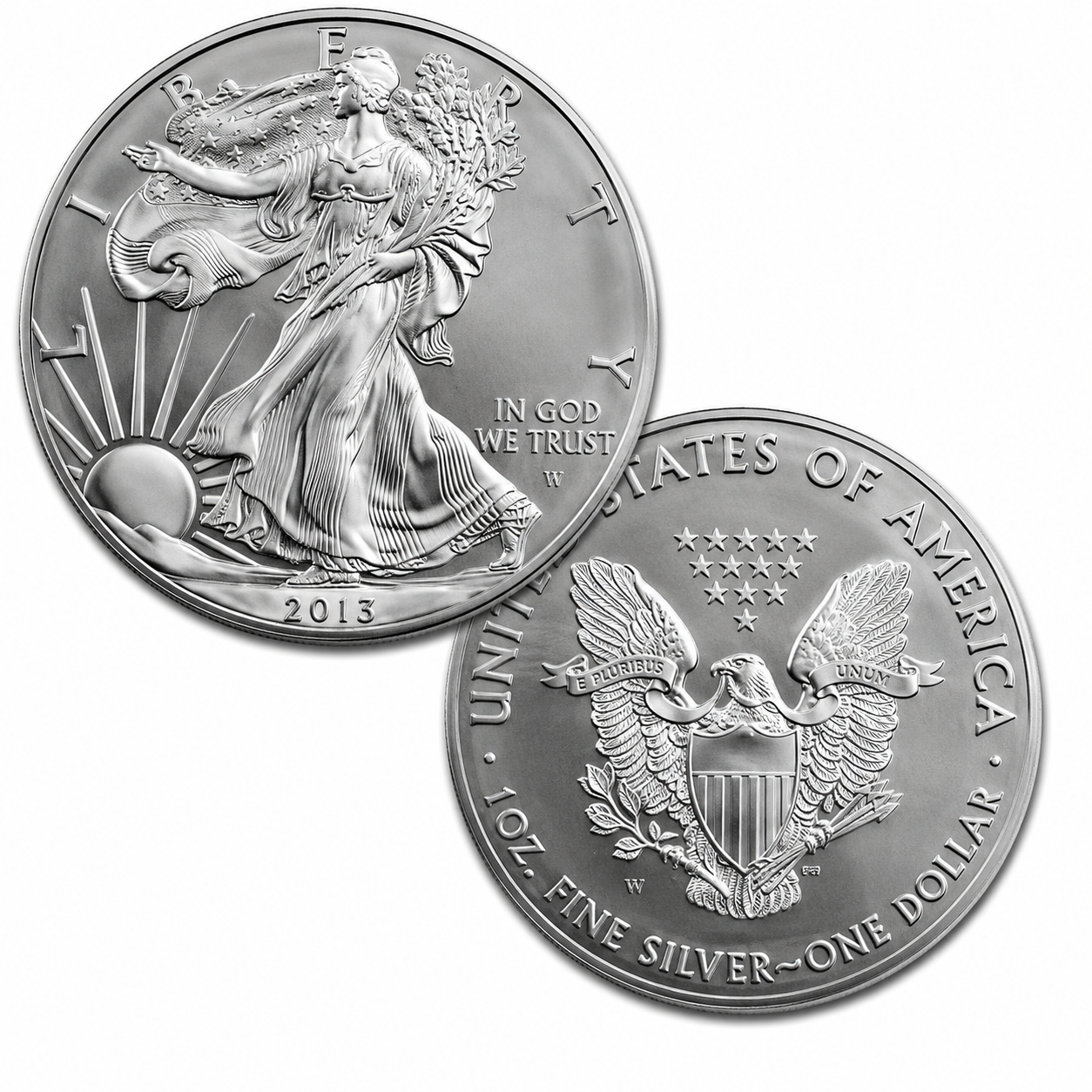
The single biggest factor in what you'll be offered is whether your coin is bullion or a certified/collectible piece. A generic 1 oz American Gold Eagle coin or American Silver Eagle coins in typical circulated condition are priced almost entirely off metal content — weight and fineness times the current spot price, plus or minus a dealer's buy margin. A coin in a PCGS or NGC holder with a numeric grade, especially an early date, a low mintage, or a rare variety, can carry real numismatic value on top of its melt value. Before you contact any buyer, sort your coins into these two piles. Weigh what you can, note any mint marks or grading labels, and don't assume a coin is rare just because it's old — most bullion-era coins were minted in the millions and trade at melt value regardless of age.
How Dealers Price a Buyback: Bid vs. Ask
Every dealer, including us, quotes two prices for the same coin: what we'll sell it to you for (the ask, which is spot plus a premium) and what we'll pay you for it (the bid, which is spot minus a smaller margin). That gap, called the bid-ask spread, is how a dealer covers the cost of holding inventory and makes it possible to buy back metal at all. It isn't unique to any one buyer — every legitimate dealer works this way, and a quote that seems unusually high compared to others is worth double-checking rather than assuming it's simply a better deal.
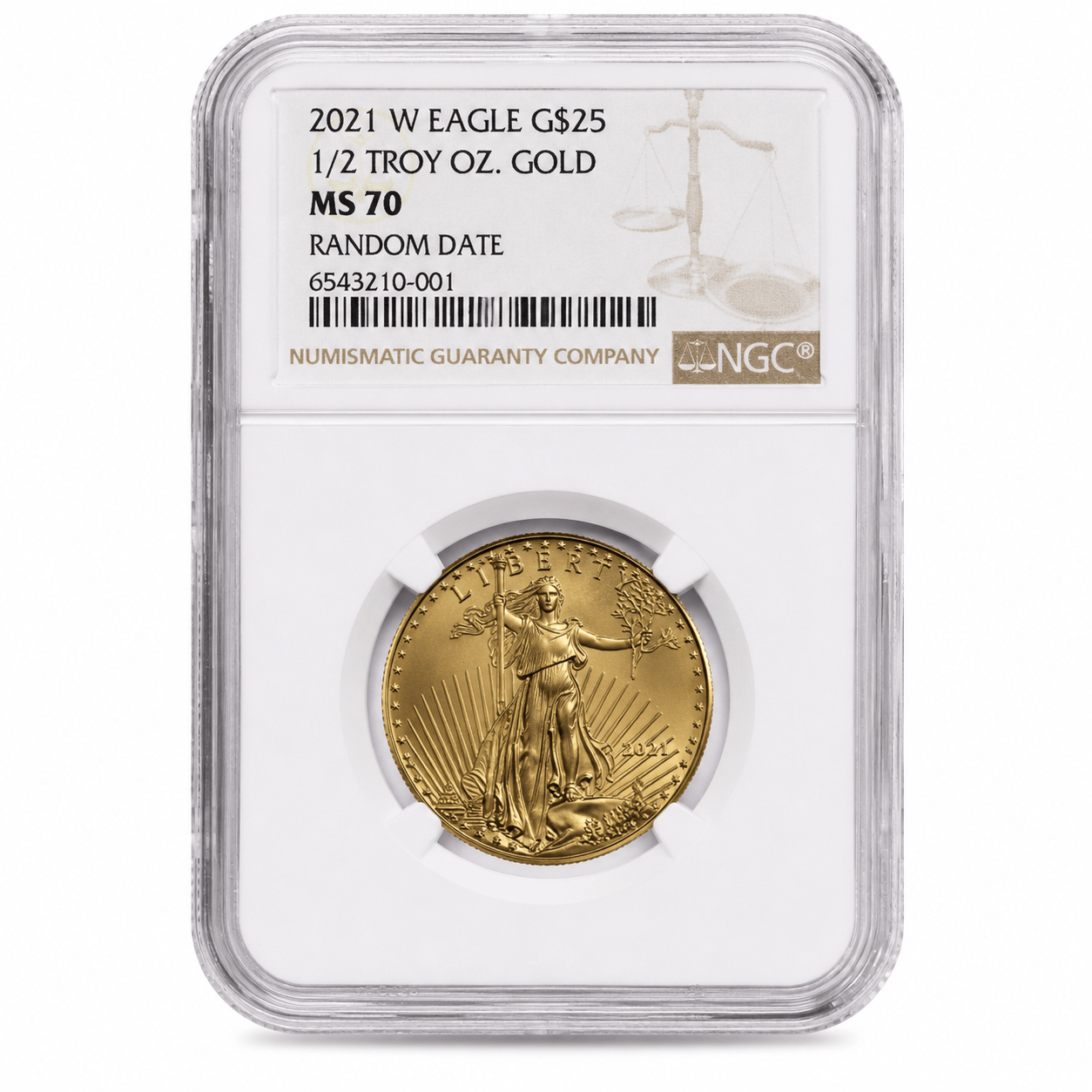
Certified coins work differently. Because a coin like a certified MS70 1/2 oz Gold American Eagle has a grading label backing its condition, dealers can offer closer to its full market value — including any numismatic premium — because the grade removes the guesswork about condition. An ungraded coin in similar condition might only fetch melt value, since the dealer has no independent verification of its state and has to price in that uncertainty.
A Worked Example: What a 1 oz Silver Coin Might Bring
Here's the math using clearly illustrative numbers, not live prices — check the current spot price and our buy price on the product page before you sell. If silver spot is $30 an ounce and a dealer's buyback price for common 1 oz silver bullion coins runs about 90% of spot, a single coin would bring roughly $27. A 10-coin lot of the same type would bring about $270. If that same coin happened to be a certified, low-mintage proof issue, the buyback offer could run well above melt value, since the grading label and rarity — not the ounce of silver — are driving the price at that point. The lesson: melt value is the floor, not the ceiling, and knowing which one applies to your coin changes the number significantly.
Checklist: Before You Sell
- Separate bullion coins from certified or numismatic pieces
- Weigh and note the fineness of anything you're not sure about
- Get quotes from more than one buyer, not just the first one you call
- Ask whether the offer is based on melt value, a percentage of spot, or a numismatic premium
- If you're not sure which category a coin falls into, contact us — a clear photo is often enough for a preliminary read
- Confirm the buyer's payment method and timeline before you ship or hand anything over
- If shipping, use insured, trackable shipping — USPS Registered Mail is built for exactly this, and our shipping and returns policy explains how we handle insured packages on our end
Common Mistakes That Cost Sellers Money
The most common mistake is accepting the first quote without comparison-shopping — buyback prices can vary meaningfully between dealers, even for identical bullion. The second is assuming a coin is valuable simply because it's old or because it has a specific date; most bullion-era coins were minted in quantities large enough that date alone adds nothing. The third is skipping basic diligence on who you're selling to. The FTC has documented a long history of precious-metals scams, particularly ones that pressure sellers into fast, in-person "cash for gold" deals without a written quote. A legitimate buyer will give you a clear, itemized offer in writing before you ship or hand over anything, and won't pressure you to decide on the spot.
The Tax Side of Selling
Selling precious metals at a profit is a taxable event. The IRS treats physical gold, silver, platinum, and palladium as collectibles, and under IRS guidance on capital gains, certain long-term gains — including on collectibles — can be taxed at a higher maximum rate than the standard long-term rate that applies to most other investments like stocks. How long you held the coin determines whether the gain is taxed at that higher rate or at your ordinary income rate.
Separately, dealers are required to file IRS Form 1099-B for certain reportable sales — but as of a January 2026 update to the form's instructions, that requirement is tied specifically to precious metals sold in a form and quantity that satisfy a CFTC-approved regulated futures contract, not to ordinary retail coin sales. In practice, that means most individual coin sales in typical quantities aren't reportable in the way many sellers assume, though large bar sales can be. Rules like this change, so confirm current requirements with your buyer or a tax professional before you sell.
Frequently asked questions
Will a dealer pay full melt value for my coins?
Usually close to it, but not exactly. Dealers buy at a discount to spot (the bid) and sell at a premium to spot (the ask); that spread covers their costs. Expect an offer somewhat below full melt value for common bullion, and potentially above melt value for certified or rare pieces.
Does a coin's age make it worth more?
Not by itself. Most bullion-era gold and silver coins, even ones from decades ago, were minted in large enough numbers that age alone adds little value. What matters more is certified grade, mintage, and demand for that specific date or variety.
Do I have to report selling my coins to the IRS?
It depends on what you're selling and in what quantity. Reportable sales are tied to specific precious metals meeting CFTC-regulated futures contract quantities, not ordinary retail coin sales in typical amounts. Confirm your specific situation with a tax professional, since the rules changed as recently as early 2026.
Will I owe capital gains tax on the sale?
If you sell for more than you paid, generally yes. Physical precious metals are taxed as collectibles, which can carry a higher long-term capital gains rate than stocks. How long you held the coin affects which rate applies. This isn't tax advice — consult a professional about your situation.
How do I avoid getting scammed when selling?
Get a written, itemized quote before shipping or handing anything over, compare offers from more than one buyer, and be wary of pressure to decide immediately in person. The FTC has documented recurring "cash for gold" scams that rely on exactly that kind of urgency.
Where to go from here
If you're weighing whether to sell now or add to your holdings instead, our American Gold Eagle coins, silver bars, and Proof American Silver Eagle coins categories show live pricing for comparison. Whatever you decide, get more than one quote before you sell — the spread between offers is often bigger than people expect.
This article is for general information only and is not financial, tax or legal advice. Precious metals prices fluctuate and past performance does not guarantee future results. State sales-tax treatment of bullion varies and changes; consult a licensed financial or tax professional about your own situation.