
Platinum is mined in far smaller quantities each year than gold, yet an ounce of platinum usually costs less than an ounce of gold. The gap comes down to demand, not scarcity. Gold has two buyer bases platinum doesn't: central banks that hold it as a reserve asset, and a multi-century stockpile of jewelry, bars, and coins that almost never gets used up. Platinum's price follows something much more cyclical — automotive catalysts, industrial demand, and jewelry — so it swings harder and, right now, sits well below gold.
This guide walks through the 2026 supply and demand numbers behind that gap: how concentrated platinum mining actually is, what gold's central-bank and hoarding demand looks like next to it, and what price behavior earlier this year shows about the difference. If you're weighing our platinum coins and bars against a gold purchase, the mechanics below explain why the sticker price on each metal moves so differently.
Platinum Is Harder to Mine, So Why Does It Cost Less?
Platinum really is the rarer metal to pull out of the ground. According to the World Platinum Investment Council's Platinum Quarterly, global refined platinum production is forecast at about 5.55 million ounces for 2026, and South Africa alone is expected to supply roughly 4.01 million of those ounces — about 72% of the world's total. Gold mining, by contrast, is spread across dozens of countries on every continent, so no single political or labor disruption can knock out most of the world's new supply at once.
That concentration risk is real: the platinum market is forecast to run its fourth straight annual deficit in 2026, meaning demand is expected to outpace new mine and recycled supply. A single 1 oz platinum bar represents a genuinely thin slice of a market that produces far less new metal each year than gold does. If scarcity of new supply were what set the price, platinum should cost more than gold per ounce. It doesn't — which is the puzzle this article is actually about.
Gold's Price Is Backed by Two Things Platinum Doesn't Have
The first is central banks. Gold reserves are a standard part of how national reserve managers diversify away from any single currency, and that buying has been consistent for years. The World Gold Council reported that central banks added a net 289 tonnes to official reserves in the second quarter of 2026 alone, up 62% year-on-year, and a recent survey found 45% of respondents plan to add still more gold over the next 12 months. Platinum has no equivalent buyer group; no major central bank holds meaningful platinum reserves.
The second is the sheer size of gold that already exists above ground. Because gold doesn't corrode or wear out, almost none of it ever leaves circulation — the World Gold Council puts total above-ground gold stocks at roughly 219,891 tonnes as of the end of 2025, most of it sitting in jewelry, private bars and coins, and official reserves rather than being consumed. If you want to see how that accumulated stock plays into gold as a long-term holding, our guide on how central banks use gold as a reserve asset goes into more detail. Platinum has nothing comparable. A large share of the platinum mined each year goes into catalytic converters and other industrial uses, and only part of that is ever recovered through recycling, so platinum doesn't build up the same multi-century cushion that backstops gold's price. Whether you're comparing PAMP Suisse gold bars or looking to buy gold bars from another mint, that demand cushion is priced in every time.
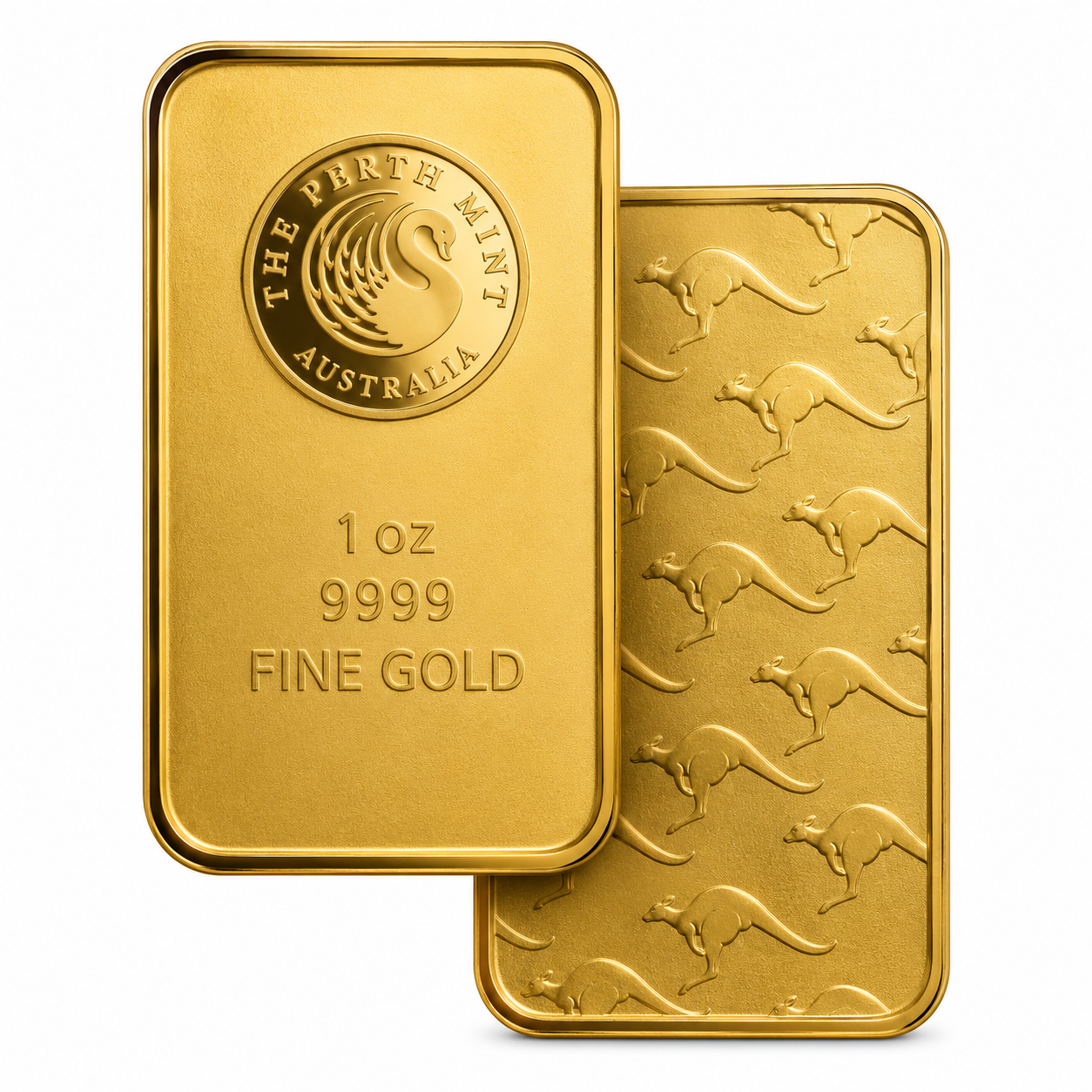
Gold vs. Platinum at a Glance
| Factor | Gold | Platinum |
|---|---|---|
| Primary demand driver | Jewelry, investment, and central bank reserves | Automotive catalysts, other industrial use, and investment |
| Where it's mined | Spread across dozens of countries | About 72% from South Africa alone |
| 2026 market condition | Central banks net buyers; investment demand strong | Fourth straight annual supply deficit forecast |
| Total stock built up over time | About 219,891 tonnes held above ground | No comparable historical stockpile; much is consumed industrially |
| Early-2026 price behavior | Climbed on steady investment and reserve buying | Hit an all-time nominal high near $2,700/oz in January, then fell to about $2,000/oz by March |
Platinum's Price Follows Factories and Tailpipes, Not Vaults
Platinum's demand side looks almost nothing like gold's. In its 2026 outlook, the World Platinum Investment Council projects automotive demand down 2% and jewelry demand down 12% for the year, partly offset by industrial demand — glass manufacturing in particular — up 9%. Investment demand, including bar and coin buying like our American Platinum Eagle coin, is actually the bright spot, forecast to climb 27% to 718,000 ounces. But investment is still a minority of total platinum demand; the automotive and industrial side dominates, and that side rises and falls with car production, manufacturing output, and economic cycles in a way gold's jewelry-and-reserve demand doesn't.
That wasn't always the relationship. For most of the 20th century, and again through the mid-2000s, platinum routinely traded above gold — its industrial uses gave it upside during economic booms that gold didn't share. The relationship flipped for good in the years after the 2008 financial crisis, as weaker auto demand, and later the diesel emissions scandal, hit platinum's biggest buyer group hard while gold's investment and central-bank demand kept climbing. Platinum has traded below gold in most years since.
What 2026's Numbers Show
The first quarter of 2026 is a compact example of how differently these two metals move. Platinum hit an all-time nominal high near $2,700 an ounce in January, then pulled back to roughly $2,000 an ounce by March — a drop of close to 25% in about two months, driven in part by exchange and ETF inventory flows normalizing after a record 2025. Gold moved the opposite direction over the same stretch: the World Gold Council recorded 244 tonnes of central bank buying in the first quarter alone, and investment demand stayed strong even as high prices cooled jewelry buying. Neither metal's price is predictable from this one quarter, but the contrast shows the mechanism in action — platinum's price is more exposed to swings in industrial and exchange-driven demand, while gold's is cushioned by buyers who tend to keep buying regardless of the economic cycle.
Choose Gold If… Choose Platinum If…
Choose gold if:
- You want the most widely recognized and liquid bullion, easy to resell almost anywhere
- You're looking for a metal with a multi-century track record as a reserve asset
- You'd rather avoid exposure to auto industry and manufacturing cycles
- Long-term wealth preservation matters more to you than short-term price moves
Choose platinum if:
- You want a lower cost per ounce today than gold, for the same budget
- You're comfortable with a metal whose price is tied to industrial and automotive demand
- You already hold gold and silver and want to diversify into a third metal
- You can tolerate wider price swings, in either direction, than gold typically shows
If gold fits your goals, our American Gold Eagle coins are the most recognized way to start.
What Buyers Get Wrong About "Rare" Metals
The most common mistake we see is assuming that because platinum is mined in much smaller quantities, it should automatically cost more than gold. Rarity of new supply is only half the picture — price follows the size and stability of demand just as much as the size of supply, and gold's demand base is both larger and steadier. There's a practical side to this too: because platinum products are made in smaller production runs than gold products, fewer dealers carry deep platinum inventory, and that can affect how quickly an order ships or how many size and brand options are available at a given moment. It doesn't mean platinum is a worse buy — it means the premium and availability you see are shaped by production volume as much as by the metal's underlying rarity. Current premium over spot for any specific product is shown live on the product page rather than fixed here, since it moves throughout the day.
Frequently asked questions
Has platinum ever cost more than gold?
Yes. For most of the 20th century, and again through the mid-2000s, platinum traded above gold because of its industrial demand upside during economic booms. That relationship flipped in the years following the 2008 financial crisis, and platinum has traded below gold in most years since.
Is platinum actually rarer than gold?
Yes, less platinum is mined worldwide each year than gold, and production is far more geographically concentrated. But rarity of new mine supply is only one input into price — the size and stability of demand, especially gold's central-bank and investment buying, matters just as much.
Why did platinum's price fall so much in early 2026?
Platinum hit an all-time nominal high near $2,700 an ounce in January 2026, then pulled back to around $2,000 by March. The World Platinum Investment Council attributes part of the move to exchange and ETF inventory flows normalizing after a record 2025, even as the physical market stayed in deficit.
Does a platinum supply deficit mean the price will rise?
Not necessarily. A deficit means demand outpaces new mine and recycled supply in that year, which draws down existing inventories, but it doesn't guarantee a particular price direction. Price also depends on investment flows, currency moves, and broader economic conditions, so a deficit is one input among several.
Should I buy gold or platinum?
That depends on your goals, timeline, and how much price movement you're comfortable with. Gold offers a longer track record and steadier demand; platinum offers a lower entry cost per ounce and more exposure to industrial cycles. This isn't financial advice — talk with a licensed financial advisor about what fits your situation.
Where to go from here
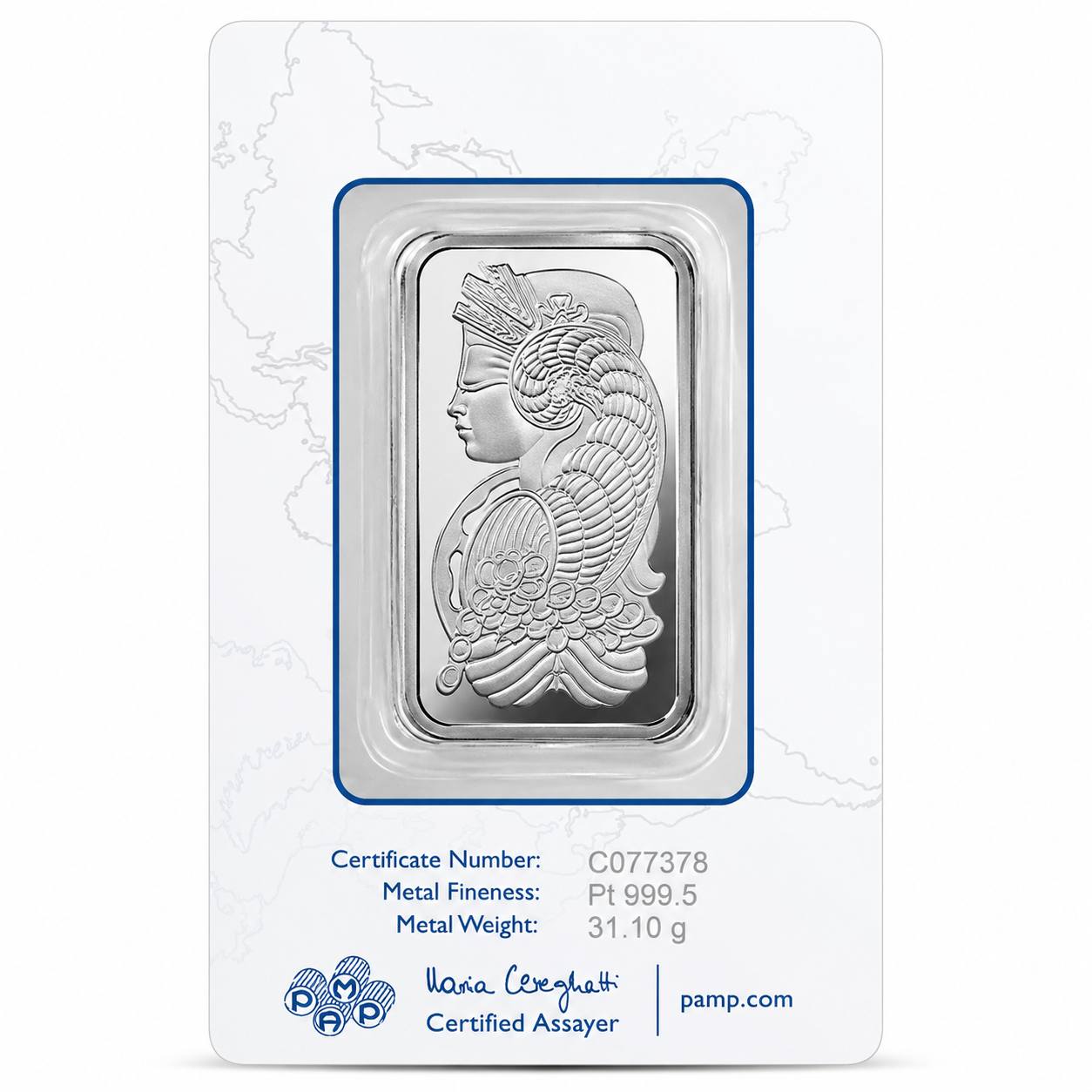
If platinum's lower entry price appeals to you, a PAMP Suisse Lady Fortuna 1 oz platinum bar is a well-recognized way to start, and a 10 oz platinum bar brings the premium per ounce down further for a larger purchase. Whichever metal you land on, remember that today's price relationship between gold and platinum is a snapshot of current demand, not a permanent rule.
This article is for general information only and is not financial, tax or legal advice. Precious metals prices fluctuate and past performance does not guarantee future results. Consult a licensed financial or tax professional about your own situation.